Introduction
The Iran War 2026 has become one of the most widely discussed global events in recent times. Political analysts, media organizations, and international institutions are closely monitoring the situation due to its potential effects on regional stability and global security.
The Middle East has long been an important region in global geopolitics because of its strategic location and energy resources. When tensions rise in this region, the impact is often felt worldwide. The 2026 Iran conflict has raised concerns among governments and experts who are observing developments carefully.
This article provides a neutral and informative overview of the Iran war 2026, including its background, key developments, international reactions, and possible future implications.
Background of the Iran War 2026
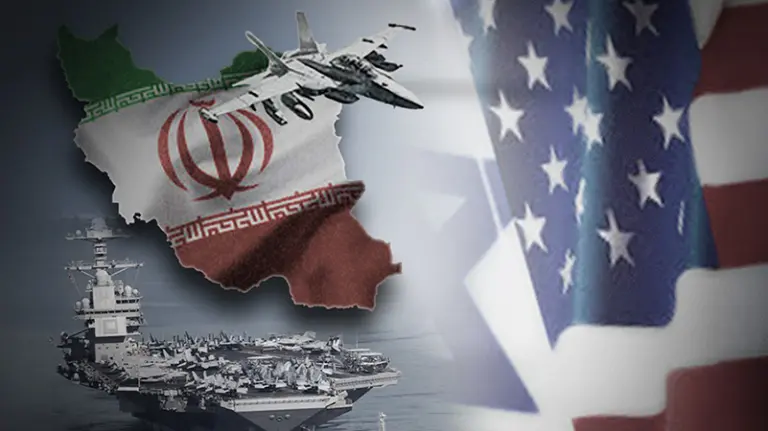
The events that led to the Iran war 2026 developed over several years of increasing political and security tensions in the Middle East. Various diplomatic disagreements and regional rivalries contributed to a complex geopolitical environment.
On February 28, 2026, reports indicated that several strategic locations in Iran were targeted in coordinated military strikes. These strikes focused on certain military and infrastructure sites and marked the beginning of a significant escalation in regional tensions.
Following these developments, missile and drone activities were reported across different areas in the region. These actions expanded the scope of the conflict and increased international concern.
The Iran war 2026 quickly became one of the most closely watched global conflicts due to the number of countries involved and the strategic importance of the Middle East.
Major Developments in the Conflict
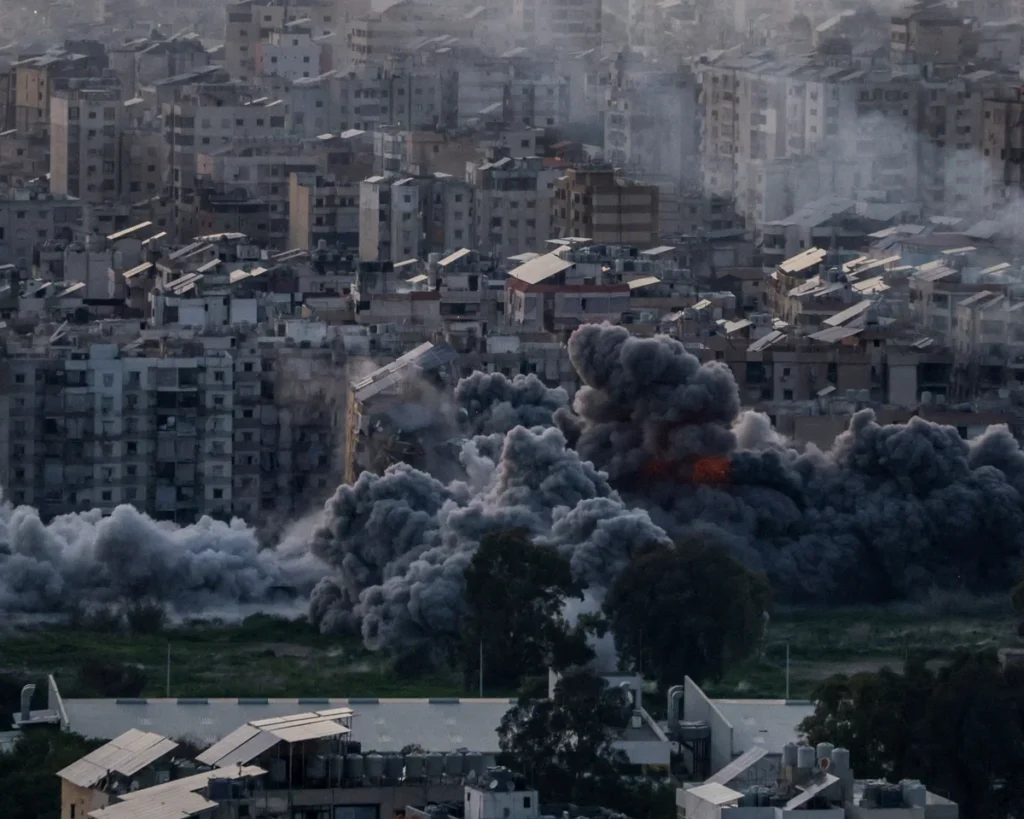
Since the start of the Iran war 2026, several important developments have occurred. Military operations, including missile launches and drone activities, have been reported in different parts of the region.
One major event during the conflict was the reported death of Ali Khamenei, which occurred during an airstrike targeting high-level leadership positions. This event led to a significant political transition and the appointment of new leadership structures within Iran.
In response to the evolving situation, many countries in the region strengthened their defense systems and increased surveillance activities to protect their territories.
These developments contributed to growing global attention and discussions about the potential consequences of the Iran conflict 2026.
Regional Impact on the Middle East
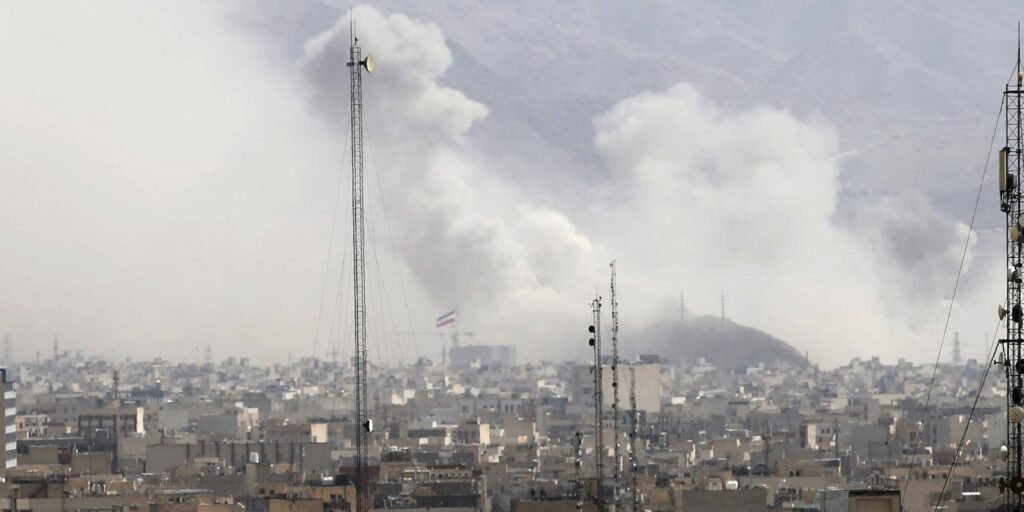
The Iran war 2026 has affected several countries across the Middle East. Increased military readiness, airspace monitoring, and maritime security have been observed in different parts of the region.
Air travel routes have been adjusted in some areas due to security concerns, while shipping routes are being monitored more closely. Governments in the region are implementing precautionary measures to ensure national security and prevent the conflict from spreading further.
The conflict has also increased diplomatic activity, as many countries are encouraging dialogue and peaceful negotiations to reduce tensions.
Global Economic Impact
The Iran war 2026 has also raised concerns about the global economy. The Middle East plays a crucial role in global energy supply, and conflicts in the region can influence oil markets and international trade.
Whenever geopolitical tensions rise in the region, global oil prices may experience fluctuations due to uncertainty about supply routes and infrastructure security.
International financial markets also respond to such developments. Investors, economists, and policy makers are closely watching the situation to assess possible long-term impacts on global trade and economic stability.
Shipping routes and international trade corridors that pass through the region are also being monitored for potential disruptions.
Humanitarian and Social Effects
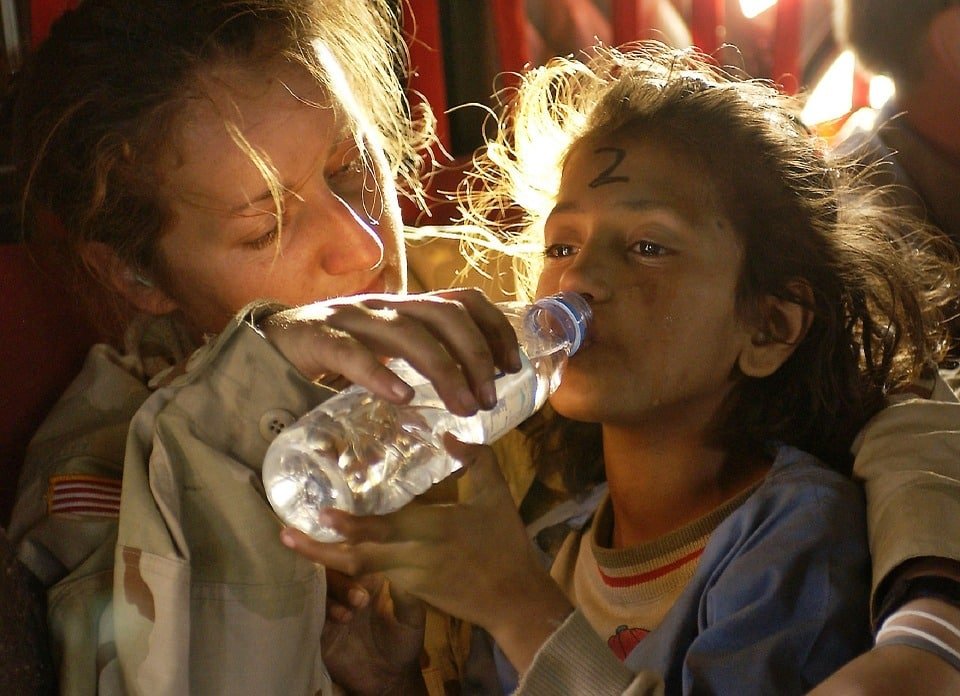
Conflicts can have significant humanitarian consequences, and organizations around the world are monitoring the Iran war 2026 closely to ensure that civilians remain protected.
Increased security measures, temporary transportation disruptions, and precautionary evacuations have been reported in some areas. Governments and humanitarian organizations are working to maintain access to essential services such as healthcare and emergency support.
International institutions have also emphasized the importance of protecting civilian infrastructure, cultural sites, and residential areas during the conflict.
International Reactions
The international community has responded to the Iran war 2026 with calls for diplomacy and peaceful dialogue. Many governments have expressed concern about the potential for the conflict to expand further.
Several diplomatic meetings and discussions are taking place as global leaders explore ways to reduce tensions and encourage negotiation.
International organizations have also emphasized the importance of cooperation and communication between countries in order to maintain regional stability.
Possible Future Developments
Experts believe that the future of the Iran war 2026 will depend largely on diplomatic negotiations and regional cooperation. Geopolitical conflicts often evolve based on a combination of political decisions, security concerns, and international mediation.
Some analysts believe diplomatic engagement could eventually reduce tensions, while others suggest the situation may remain complex for some time.
Regardless of the outcome, the Iran war 2026 has already become an important topic in international political discussions.
Frequently Asked Questions (FAQ)
What is the Iran War 2026?
The Iran War 2026 refers to a major conflict that began in February 2026 involving military strikes, missile activity, and rising tensions in the Middle East.
Why did the Iran war start?
The conflict developed after years of political tensions and security concerns in the region. The immediate escalation began after reported strikes on strategic locations in Iran.
Which countries are affected by the Iran war?
Although the main events are centered around Iran, the broader Middle East region has experienced increased security measures and military readiness.
How does the Iran war affect the global economy?
Conflicts in the Middle East can influence global oil prices, shipping routes, and international markets because the region plays a key role in energy production and transportation.
Could the Iran war affect global politics?
Yes. Major geopolitical conflicts often influence international diplomacy, security strategies, and global political relationships.
Conclusion
The Iran war 2026 represents a significant geopolitical development that has drawn attention from around the world. Since the events that began in February 2026, the conflict has influenced regional security, international diplomacy, and global economic discussions.
While the situation continues to evolve, many countries and organizations are encouraging dialogue and peaceful solutions. The coming months may play an important role in determining the future direction of the conflict and its long-term impact on the region.