Vitamin D is one of the most important nutrients your body needs for strong bones, a healthy immune system, and proper muscle function. Unfortunately, millions of people around the world suffer from vitamin D deficiency without even realizing it.
Modern lifestyles, indoor work, sunscreen use, and poor diet are some of the biggest reasons why this deficiency has become extremely common. If left untreated, it can lead to serious health problems including weak bones, fatigue, and frequent illness.
In this article, we will explore 10 warning signs of vitamin D deficiency that many people ignore and why it’s important to take action early.
1. Constant Fatigue and Low Energy

Feeling tired all the time is one of the most common symptoms of vitamin D deficiency.
Many people assume their fatigue is caused by stress or lack of sleep, but low vitamin D levels can directly affect your energy production. When the body lacks this essential vitamin, it can lead to persistent tiredness and reduced stamina.
If you often feel exhausted even after a full night’s sleep, it may be time to check your vitamin D levels.
2. Frequent Illness or Weak Immunity

Vitamin D plays a crucial role in strengthening the immune system.
People with low levels of vitamin D often experience:
- Frequent colds
- Flu infections
- Slow recovery from illness
Research has shown that vitamin D helps the body fight viruses and bacteria more effectively.
For more medical information about vitamin D and immunity, you can visit:
https://www.nih.gov
3. Bone Pain and Weak Bones
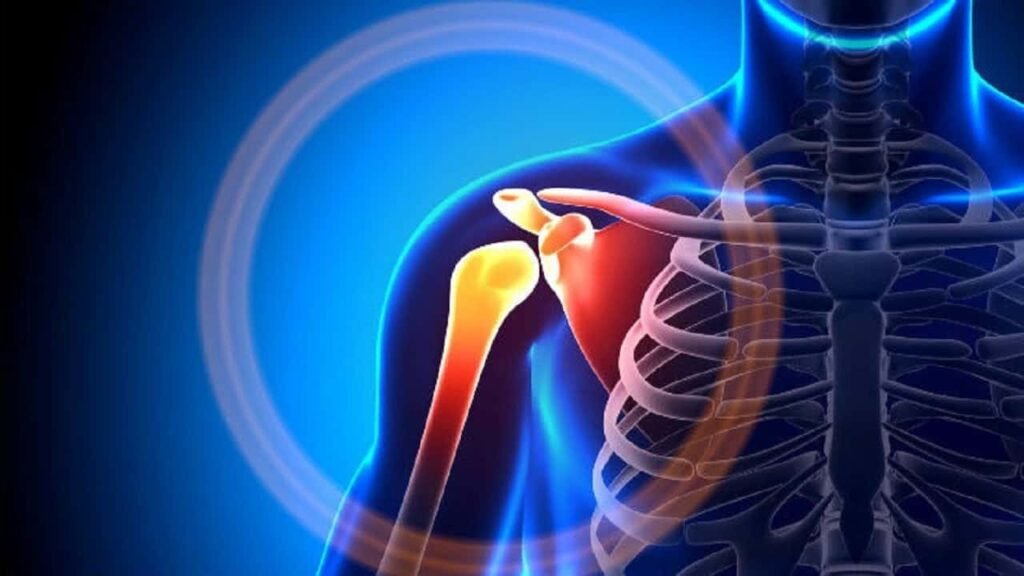
Vitamin D helps your body absorb calcium, which is essential for maintaining strong bones.
Without enough vitamin D, bones may become weak, leading to:
- Bone pain
- Back pain
- Increased risk of fractures
Over time, severe deficiency can even contribute to bone disorders.
4. Muscle Weakness

Another warning sign many people ignore is muscle weakness.
Vitamin D helps regulate muscle function. When levels are low, you may notice:
- Difficulty climbing stairs
- Reduced strength
- Muscle aches
Older adults are especially vulnerable because vitamin D deficiency can increase the risk of falls and injuries.
5. Hair Loss

Severe hair loss can sometimes be linked to low vitamin D levels.
Vitamin D helps stimulate hair follicles and supports the hair growth cycle. When the body lacks this nutrient, it may disrupt normal hair growth and lead to thinning hair.
Although hair loss can have many causes, vitamin deficiency is one factor doctors often check.
6. Slow Wound Healing
If cuts, wounds, or surgical incisions take longer than usual to heal, vitamin D deficiency might be a reason.
Vitamin D supports the body’s inflammatory response and tissue repair, both of which are essential for proper healing.
Poor wound healing may also increase the risk of infections.
7. Depression or Mood Changes

Studies suggest that vitamin D may influence brain health and mood regulation.
Low vitamin D levels have been associated with:
- Depression
- Mood swings
- Anxiety
Sunlight exposure helps the body produce vitamin D naturally, which may explain why many people feel better and more energetic in sunny environments.
More information about vitamin D and mental health can be found here:
https://www.mayoclinic.org
8. Excessive Sweating
One unusual but common symptom of vitamin D deficiency is excessive sweating, particularly on the forehead.
Doctors sometimes consider this a classic early sign of deficiency, especially in children and infants.
If you notice unusual sweating without physical activity, it may be worth discussing with a healthcare professional.
9. Weight Gain
Some research suggests that low vitamin D levels may be associated with weight gain and difficulty losing weight.
Vitamin D plays a role in hormone regulation and metabolism. When levels are low, it can affect the body’s ability to maintain a healthy weight.
While vitamin D alone is not a weight loss solution, maintaining proper levels supports overall metabolic health.
10. Chronic Back Pain
Many people suffer from persistent lower back pain without knowing the real cause.
Low vitamin D levels can contribute to:
- Chronic lower back pain
- Bone sensitivity
- Poor spinal health
Improving vitamin D levels may help reduce inflammation and support better bone strength.
How to Prevent Vitamin D Deficiency
Preventing vitamin D deficiency is easier than many people think. Here are some simple ways to maintain healthy levels:
☀️ Get Regular Sunlight
Sunlight is the best natural source of vitamin D. Spending 15–30 minutes in the sun several times a week can help your body produce sufficient vitamin D.
🥗 Eat Vitamin D–Rich Foods
Include foods such as:
- Fatty fish (salmon, tuna)
- Eggs
- Fortified milk and cereals
- Mushrooms
💊 Consider Supplements
If sunlight and diet are not enough, doctors may recommend vitamin D supplements.
Always consult a healthcare professional before taking supplements.
For global health guidance, you can also visit:
https://www.who.int
Final Thoughts
Vitamin D Deficiency is far more common than many people realize. Because the symptoms often appear slowly, they are easy to ignore until more serious health issues develop.
If you experience fatigue, bone pain, frequent illness, or mood changes, it may be worth checking your vitamin D levels through a simple blood test.
Maintaining healthy vitamin D levels through sunlight, proper nutrition, and medical guidance can significantly improve your overall health and well-being.