Admin
Admin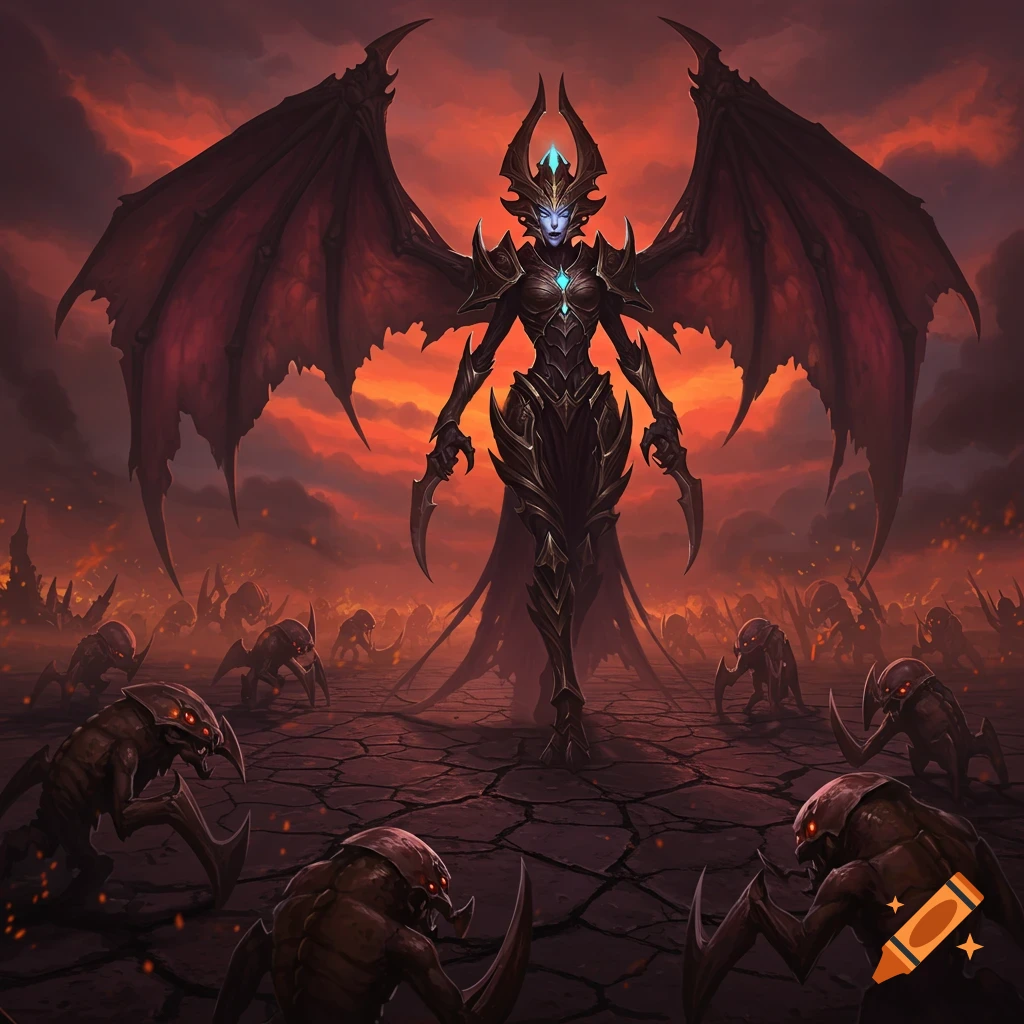
In the realm of fantasy, where good and evil constantly clash, the concept of a cheering evil fantasy person has garnered significant interest. This unique blend of malevolence with unexpected joy creates a fascinating and often perplexing character archetype. In this article, we will explore the idea of a cheering evil fantasy person through the lens of AI and its implications in storytelling, character development, and the future of AI-driven fantasy worlds.
Understanding the “Cheering Evil Fantasy Person”
Before delving into the intricacies of a cheering evil fantasy person, it’s essential to understand the concept of a “cheering” figure in the context of dark fantasy. Traditionally, villains in fantasy stories are characterized by their malevolent intentions, which often involve causing suffering or disrupting the lives of the protagonists. These characters tend to be serious, brooding, or even vengeful, with little room for lightheartedness.
However, the cheering evil fantasy person subverts this archetype by maintaining an outwardly joyful and enthusiastic demeanor, despite harboring sinister motives. Imagine a character like the Joker from Batman or Maleficent from Sleeping Beauty, but with an added layer of playfulness, laughter, or unanticipated warmth. These characters present a captivating paradox: they are evil but cheerful, menacing yet strangely magnetic.
This juxtaposition of darkness and light within a single character challenges conventional expectations and adds complexity to the story. The cheering evil person represents an unpredictable force in the narrative—someone whose happiness is not a sign of goodness but rather a twisted and potentially dangerous facade.
The Role of AI in Crafting Cheering Evil Fantasy Characters
Artificial Intelligence (AI) is increasingly being used in various forms of creative writing, including the development of characters for fantasy stories. In recent years, AI-driven tools have made it easier for writers to develop more nuanced and unpredictable characters. AI can be programmed to analyze the personalities of established villains, identifying the specific traits that make them compelling and then using this information to create new, original characters.
When it comes to crafting a cheering evil fantasy person, AI can take on multiple roles:
- Personality Development: AI can analyze patterns in human psychology and combine them with data from popular fantasy villains to generate characters with complex, contradictory personalities. For example, an AI system could take the cheerful traits of beloved comedic characters and merge them with the dark, manipulative qualities of traditional villains.
- Dialogue Generation: The dialogue of a cheering evil person is a critical aspect of their appeal. AI can help generate quirky, amusing, and sometimes unsettling dialogue that matches the tone of a character who is evil but also radiates cheer. By learning from historical data, AI can ensure that these characters’ words both entertain and intimidate, balancing humor and menace in a way that is consistent with the narrative.
- Predicting Reader Response: One of the intriguing aspects of AI in character creation is its ability to predict how readers will respond to certain character traits. By analyzing emotional responses to different types of villains in fiction, AI can fine-tune the behavior of a cheering evil fantasy person to maximize engagement. This allows for a more dynamic character who can shift between moments of levity and terror, keeping the audience on edge.
- Creating Backstories: A well-developed backstory is essential for any character, but particularly for a cheering evil fantasy person. AI tools can generate intricate histories that explain why a character behaves the way they do. Perhaps the cheerful demeanor masks a traumatic past, or the character’s twisted sense of joy comes from a desire for control and chaos. AI can propose various backstory scenarios, allowing writers to explore different angles for this intriguing archetype.
Cheering Evil Fantasy Person in Fantasy Literature and Media
The concept of a cheering evil fantasy person is not entirely new in fantasy literature and media. Many iconic villains in both traditional and modern fantasy embody this unique blend of traits. Here are a few notable examples:
- The Joker (Batman):
Perhaps the most famous example of a cheering evil person is the Joker, Batman’s arch-nemesis. Known for his unsettling laughter and chaotic nature, the Joker is a character who revels in chaos while maintaining a twisted sense of humor. His delight in causing harm and his unpredictable nature make him a prime example of the cheering evil fantasy person archetype. Despite being one of the most notorious villains in comic book history, his charisma and manic energy often draw audiences to him, highlighting the appeal of his cheerful malevolence. - Maleficent (Sleeping Beauty):
While Maleficent in Sleeping Beauty is primarily seen as a menacing figure, her portrayal in the 2014 Disney film Maleficent gives a new dimension to her character. Rather than being a mere evil fairy, Maleficent is portrayed as having complex emotions, including moments of humor and warmth. She is a character who, while still villainous, is capable of joy, making her a nuanced example of a cheering evil fantasy person. - Loki (Marvel’s Thor Series):
In the Marvel Cinematic Universe, Loki is an excellent example of a cheering evil fantasy character. Played by Tom Hiddleston, Loki is known for his mischievous personality, cunning schemes, and his unpredictable nature. Though he is a villain, his wit and charm make him a fan favorite. His cheerful demeanor often masks his darker, more malevolent ambitions, and this duality is part of what makes him such a compelling character. - The Mad Hatter (Alice in Wonderland):
The Mad Hatter from Alice in Wonderland is another example of a cheering evil fantasy person. In both the original novel and various adaptations, he is portrayed as eccentric, whimsical, and oddly charming. Despite his lighthearted nature, his actions are often bizarre and unsettling, creating a tension between his outward cheer and his inner chaos.
The Psychological Appeal of Cheering Evil Fantasy Characters
The cheering evil fantasy person taps into a psychological phenomenon known as cognitive dissonance, where two contradictory elements exist simultaneously in the mind. In this case, the dissonance arises from the conflict between a character’s cheerful demeanor and their evil intentions. Audiences are often drawn to these characters because they are unpredictable, creating an emotional tension that keeps them engaged.
- Humanizing Evil: A cheering evil person can humanize the concept of evil. Instead of a dark, brooding figure, they present evil in a more approachable, almost relatable light. Their cheerfulness can make them more human, leading the audience to question whether they are truly evil or simply misunderstood.
- Emotional Manipulation: A cheering evil person often uses their charisma to manipulate others. By appearing friendly or harmless, they lower the defenses of their targets, making it easier for them to achieve their sinister goals. This creates a sense of unease in the audience, who may find themselves questioning the true nature of the character’s intentions.
- Moral Ambiguity: These characters often blur the lines between good and evil. Their joy and positivity create a sense of moral ambiguity, where the audience is forced to confront the uncomfortable truth that not all evil is dark and grim—some of it can be cheerful, even charming.
The Future of Cheering Evil Fantasy Persons in AI-Driven Fantasy Worlds
With the continued development of AI, the future of the cheering evil fantasy person looks promising. AI tools will enable writers and creators to develop even more sophisticated and unpredictable characters. By analyzing vast amounts of data on human psychology, emotional responses, and storytelling techniques, AI can help create characters who are both evil and endearing, keeping audiences on their toes.
Moreover, AI-driven fantasy worlds could bring cheering evil characters to life in interactive media. In video games, for example, players could encounter villains who are not only dark and sinister but also possess a cheerful, charismatic edge. These characters could manipulate players emotionally, creating a more immersive and engaging experience.
Conclusion
The cheering evil fantasy person represents a fascinating and complex character archetype that has captivated audiences for years. By blending malevolence with joy, these characters challenge traditional notions of villainy and offer a unique psychological appeal. With the help of AI, the development of such characters is set to evolve even further, allowing for richer and more nuanced storytelling in the future. Whether in literature, film, or interactive media, the cheering evil fantasy person will continue to be a compelling figure in the world of fantasy.